
Finding clothes that truly suit you is about much more than following trends or filling your wardrobe with the latest styles. Every outfit you wear says something about your personality, confidence, and lifestyle. When you understand what works for you, shopping becomes easier, less stressful, and much more rewarding.
How to choose clothes is a skill that anyone can develop with the right approach. Instead of making impulse purchases that sit untouched in your closet, you can build a wardrobe filled with pieces you genuinely enjoy wearing every day.
Why Choosing the Right Clothes Matters
The clothes you wear influence more than just your appearance. They affect how you feel, how others perceive you, and even how confident you are throughout the day. Wearing outfits that fit well and match your personality can improve your mood and help you make a positive first impression.
Many people believe they need an expensive wardrobe to look stylish, but that’s far from the truth. A collection of well-fitting, versatile pieces often looks better than a closet full of trendy items that don’t suit your body or lifestyle.
Learning how to shop wisely also helps you save money. Instead of buying clothes you’ll only wear once, you invest in pieces that remain useful for years.
Know Your Personal Style
Before buying anything, take some time to understand your personal style. Fashion trends change every season, but your preferences often stay consistent.
Ask yourself a few simple questions:
- Do you prefer casual or formal clothing?
- Which colours make you feel confident?
- Are comfort or fashion your biggest priority?
- Which outfits do you wear most often?
Your answers will reveal patterns that help define your wardrobe.
Some people naturally lean toward classic styles with neutral colours. Others enjoy bold prints, vibrant colours, or modern streetwear. Neither choice is right or wrong. The goal is simply to wear clothing that feels authentic to you.
Create a Style Inspiration Collection
Save photos of outfits you genuinely admire. These can come from magazines, online fashion blogs, or social media.
After collecting twenty or thirty images, you’ll likely notice recurring themes such as:
- Neutral colour palettes
- Relaxed fits
- Tailored clothing
- Denim outfits
- Minimal accessories
These patterns provide valuable guidance before your next shopping trip.
Understand Your Body Shape
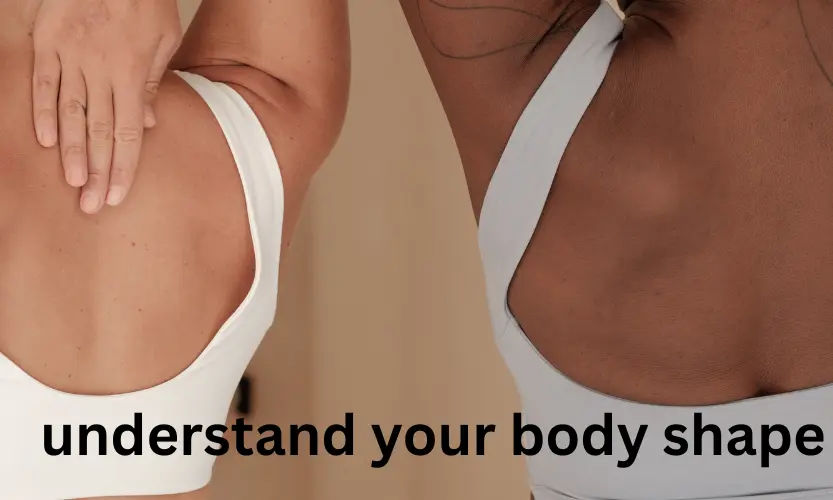
One of the biggest mistakes people make is buying clothes simply because they look good on someone else.
Every body is different, and clothing should complement your own proportions rather than copy someone else’s style. While body shapes vary, they generally fall into categories such as:
Pear Shape
People with this shape usually have narrower shoulders and wider hips.
Look for:
- Structured tops
- Statement necklines
- Dark-coloured bottoms
- A-line skirts
Apple Shape
Apple-shaped bodies often carry more weight around the midsection.
Great choices include:
- Empire waist dresses
- Straight-leg trousers
- Open jackets
- V-neck tops
Hourglass Shape
Balanced shoulders and hips with a defined waist make this body shape versatile.
Highlight your waist with:
- Wrap dresses
- Fitted blazers
- High-waisted trousers
- Belted coats
Rectangle Shape
This shape has balanced shoulders and hips with minimal waist definition.
Create curves by choosing:
- Layered outfits
- Peplum tops
- Wide-leg trousers
- Textured fabrics
Remember, these are only guidelines. Wear whatever makes you feel comfortable and confident.
Focus on Fit Before Fashion
Even the most expensive outfit won’t look impressive if it doesn’t fit properly. Good fit always beats expensive labels.
Pay attention to:
- Shoulder seams
- Sleeve length
- Trouser break
- Waist comfort
- Overall movement
You should be able to sit, walk, stretch, and move naturally. Avoid buying clothes simply because they’re on sale. A discounted item that doesn’t fit is still wasted money.
Signs That Clothes Fit Properly
A properly fitting outfit should:
- Feel comfortable throughout the day
- Allow natural movement
- Sit smoothly without pulling
- Enhance your body shape
- Require little adjustment while wearing
Small tailoring adjustments can also transform an average outfit into one that feels custom-made.
Choose Colours That Complement You
Colour plays a huge role in how your outfit looks.
The right shades brighten your appearance, while the wrong ones may make you appear tired. Although personal preference matters, it’s helpful to understand your skin’s undertone.
Warm Undertones
Often look great in:
- Olive green
- Mustard
- Camel
- Rust
- Cream
- Coral
Cool Undertones
Usually suit:
- Navy
- Emerald
- Lavender
- Burgundy
- Grey
- Pure white
Neutral Undertones
People with neutral undertones can wear most colours successfully, giving them plenty of flexibility. Don’t hesitate to experiment. Sometimes an unexpected colour becomes your signature shade.
Build Your Wardrobe Around Basics
Fashion trends come and go, but wardrobe basics never lose their value.
Start with versatile essentials such as:
- White shirt
- Black trousers
- Blue jeans
- Plain T-shirts
- Neutral blazer
- Comfortable sneakers
- Classic jacket
These pieces combine easily with trendier items, giving you dozens of outfit options without filling your wardrobe with unnecessary clothing.
Buying fewer, higher-quality basics often provides better value than purchasing many low-quality pieces.
Consider Fabric Quality
Many shoppers pay attention only to colour and design while ignoring fabric quality. However, fabric affects comfort, durability, and maintenance. Natural fabrics like cotton, linen, and wool usually provide excellent breathability and comfort.
Synthetic materials may resist wrinkles better and sometimes last longer, depending on their quality.
Always touch the fabric before purchasing if possible. Quality materials usually feel smoother, stronger, and more comfortable against the skin. A quick look at stitching, seams, and buttons can also reveal whether a garment is made to last.Choosing quality over quantity is one of the smartest wardrobe decisions you can make.
Dress for the Season
Choosing clothes that suit the weather is just as important as choosing clothes that suit your style. Wearing the right fabrics and layers keeps you comfortable while helping your outfits look appropriate throughout the year.
Spring
Spring weather can change quickly, so lightweight layers are your best friend. Cotton shirts, light jackets, jeans, and comfortable trainers work well for both cool mornings and warmer afternoons.
Soft colours such as pastel blue, sage green, blush pink, and cream complement the fresh feel of the season while remaining easy to mix and match.
Summer
Hot weather calls for breathable fabrics that help regulate body temperature. Cotton, linen, and lightweight blends are excellent choices because they allow air to circulate.
Choose loose-fitting clothing whenever possible, as it keeps you cooler than tight-fitting garments. Light colours also reflect sunlight better than darker shades.
Some summer essentials include:
- Cotton T-shirts
- Linen shirts
- Shorts
- Lightweight dresses
- Sandals
- Comfortable sneakers
- Wide-brim hats
Autumn
Autumn is perfect for layering. A simple outfit can become stylish by adding a cardigan, denim jacket, or lightweight coat. Earthy colours such as olive, brown, burgundy, mustard, and dark green naturally complement the season.
Winter
Cold weather doesn’t mean sacrificing style. Build your outfit using layers instead of relying on one heavy garment.
A typical winter outfit may include:
- Thermal base layer
- Sweater
- Coat
- Scarf
- Gloves
- Boots
Layering allows you to adjust your clothing as temperatures change throughout the day.
Set a Clothing Budget
Fashion doesn’t have to be expensive. Creating a clothing budget helps prevent impulse purchases and encourages smarter decisions. Instead of buying five inexpensive shirts that wear out quickly, consider purchasing one or two higher-quality pieces that last much longer.
Before shopping, ask yourself:
- Do I really need this?
- Can I wear it with several outfits?
- Will I still like it next year?
- Is the quality worth the price?
These simple questions often prevent unnecessary purchases.
Learn to Read Clothing Labels
Most people ignore clothing labels, but they contain useful information.
Labels tell you:
- Fabric composition
- Washing instructions
- Drying methods
- Ironing temperatures
Following these instructions helps your clothes maintain their shape, colour, and quality for much longer. Proper clothing care saves money because garments don’t need replacing as frequently.
Choose Quality Over Quantity
A wardrobe filled with quality pieces usually performs better than one overflowing with inexpensive clothing.
Quality garments often feature:
- Strong stitching
- Durable fabric
- Secure buttons
- Smooth zippers
- Neat finishing
Although they may cost more initially, they often provide better value over time because they last longer and continue looking good after repeated washing.
Common Mistakes People Make
Even experienced shoppers occasionally make poor clothing decisions. Avoid these common mistakes.
Buying Without a Plan
Shopping without knowing what you need often results in unnecessary purchases. Create a list before visiting stores.
Ignoring Comfort
Stylish clothing should never make you uncomfortable. If something feels restrictive in the fitting room, it probably won’t become more comfortable later.
Choosing the Wrong Size
Many people buy smaller sizes hoping they’ll lose weight or larger sizes thinking they’ll be more comfortable. Instead, buy clothes that fit your current body. You’ll feel more confident and look better immediately.
Forgetting About Versatility
If an item only works with one outfit, think carefully before purchasing it. Versatile clothing provides much greater value.
Accessorise Wisely
Accessories complete an outfit without requiring a completely new wardrobe.
Some timeless accessories include:
- Leather belts
- Watches
- Scarves
- Sunglasses
- Handbags
- Minimal jewellery
Rather than wearing many accessories at once, choose a few that complement your outfit. Simple styling often creates the strongest impression.
Organise Your Wardrobe
A tidy wardrobe makes choosing outfits faster and easier. Group clothing by category, such as shirts, trousers, dresses, jackets, and knitwear. You can also organise by colour, making outfit planning even more efficient.
Every few months, review your wardrobe and remove items that:
- No longer fit
- Are damaged beyond repair
- Haven’t been worn for over a year
- No longer match your style
This creates space for clothes you genuinely enjoy wearing while reducing clutter.
Choose Clothes for Different Occasions
One outfit cannot suit every event, which is why it’s important to have clothing that matches different occasions. Building a flexible wardrobe doesn’t mean owning hundreds of items. It means choosing pieces that can be styled in multiple ways.
Casual Wear
Casual clothing should be comfortable while still looking neat and put together. A well-fitted T-shirt, jeans, trainers, and a lightweight jacket create a timeless everyday outfit.
Avoid clothing that is excessively worn out or poorly fitted, as even casual fashion looks better when it is clean and well maintained.
Office Wear
Professional clothing should reflect confidence and attention to detail. Neutral colours, tailored trousers, blazers, button-down shirts, and polished shoes are reliable choices for most workplaces.
Choose pieces that can be mixed together easily so you can create several outfits without buying an entirely new wardrobe.
Special Events
Whether you’re attending a wedding, birthday celebration, formal dinner, or family gathering, your clothing should suit the occasion without feeling uncomfortable.
Keep accessories balanced, wear shoes that match your outfit, and avoid overcomplicating your look. A simple, elegant outfit often leaves the strongest impression.
Make Smart Shopping Decisions
Successful shopping starts long before you enter a store or browse an online collection. Instead of buying the first item you like, compare different options and think carefully about how each piece fits into your existing wardrobe.
Here are a few habits that lead to better purchases:
- Shop with a list.
- Measure yourself regularly to know your correct size.
- Try clothes on whenever possible.
- Check the stitching, fabric, and overall finish.
- Think about at least three outfits you can create with the item.
- Avoid buying something simply because it’s discounted.
A thoughtful purchase is almost always better than an impulsive one.
Refresh Your Wardrobe Without Overspending
Updating your wardrobe doesn’t always require buying brand-new clothes. Sometimes, a few simple changes can make your existing outfits feel fresh again.
Try these ideas:
- Pair old favourites with new accessories.
- Layer clothing in different ways.
- Tuck shirts in for a cleaner look.
- Roll up sleeves for a more relaxed style.
- Add a belt to define your waist.
- Replace worn shoes or bags with updated versions.
- Tailor clothes that no longer fit perfectly.
These small adjustments can completely transform familiar outfits while saving money.
Develop Your Own Signature Style
The most stylish people are rarely those who follow every trend. Instead, they know what works for them and wear it with confidence.
Your signature style develops naturally over time. It reflects your personality, daily routine, and preferences rather than what’s currently popular.
Perhaps you’re known for crisp white shirts, classic denim, monochrome outfits, colourful dresses, or minimalist fashion. Whatever your preference, consistency creates a recognizable and authentic look. Don’t be afraid to experiment occasionally, but always return to the styles that make you feel your best.
Care for Your Clothes Properly
Buying quality clothing is only part of the equation. Proper care helps your wardrobe stay attractive for years.
Follow these simple habits:
- Wash clothes according to the care label.
- Separate dark and light colours before washing.
- Avoid using excessive detergent.
- Hang delicate garments to dry when possible.
- Fold knitwear instead of hanging it to prevent stretching.
- Store seasonal clothing in a clean, dry place.
Taking a few extra minutes to care for your clothes protects your investment and keeps every outfit looking fresh.
You may also like these
Stunning Fashion week news Updates You Must See Today
Exclusive Designer fashion news Trends That Will Amaze You
Proven Secrets: How to Dress Well and Instantly Boost Confidence
Proven Casual style guide Secrets for an Effortless Look
Proven Smart casual style Secrets to Instantly Transform Your Look
Build Confidence Through Your Wardrobe
Looking good starts with feeling comfortable in what you wear. Confidence isn’t determined by expensive brands or designer labels it’s built by wearing clothes that fit well, suit your personality, and make you feel like yourself.
When you dress with intention, people often notice your confidence before they notice the clothes themselves.
Don’t compare your wardrobe with anyone else’s. Everyone has different tastes, lifestyles, and priorities. Focus on creating a collection that supports your daily life and reflects who you are. Over time, you’ll spend less time worrying about what to wear and more time enjoying the confidence that comes with making thoughtful choices.
Final Thoughts
Choosing the right clothes is a skill that improves with experience. The more you understand your body shape, personal style, lifestyle, and wardrobe needs, the easier every shopping trip becomes. Instead of filling your closet with random purchases, you’ll begin selecting pieces that work together, last longer, and help you feel confident every day.
Remember that great style isn’t about owning the most expensive clothing or following every new trend. It’s about making smart decisions, investing in quality, and wearing outfits that genuinely suit you. When you focus on fit, comfort, versatility, and timeless design, you’ll create a wardrobe that serves you well for years to come.
By applying these practical tips consistently, you’ll save money, reduce shopping mistakes, and enjoy getting dressed each day with greater confidence. Mastering How to choose clothes is one of the best investments you can make in your personal style, helping you look polished, feel comfortable, and express yourself wherever life takes you.
FAQs
Why is learning How to choose clothes important?
It helps you save money, avoid unnecessary purchases, and create a wardrobe you’ll actually enjoy wearing.
How to choose clothes for different occasions?
Consider the dress code, comfort, weather, and the overall style appropriate for the event.
How to choose clothes with the right colors?
Select colors that complement your skin tone and coordinate easily with your existing wardrobe.
How to choose clothes when shopping online?
Check size charts, read customer reviews, and carefully review product photos before purchasing.
How to choose clothes that stay fashionable?
Prioritize timeless wardrobe essentials and mix them with a few trendy pieces for a balanced look.