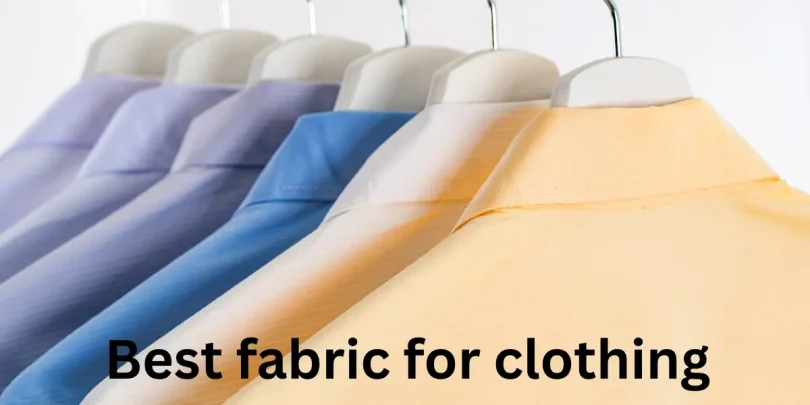

Choosing clothes is about much more than following trends or buying the latest styles. The fabric you wear influences your comfort, confidence, and even how long your favorite outfits stay in great condition.
Best fabric for clothing is a topic worth understanding because the right material can transform the way your wardrobe looks, feels, and performs. Whether you’re shopping for everyday essentials, office attire, workout gear, or special occasion outfits, knowing the strengths of different fabrics helps you make smarter purchases that offer lasting value.
Every fabric has its own personality. Some are soft and breathable, while others are warm, durable, or resistant to wrinkles. By learning what each material offers, you can build a wardrobe that suits your lifestyle, climate, and budget without sacrificing style.
Why Fabric Matters More Than Fashion

Many people focus on colors, patterns, and designs when shopping for clothes. While these elements are important, fabric is what truly determines how a garment feels against your skin and how well it performs over time.
Imagine buying a beautiful shirt that looks perfect on the hanger but feels uncomfortable after wearing it for an hour. Chances are, the fabric wasn’t the right choice for your needs. That’s why experienced shoppers often check the fabric label before looking at anything else.
The right fabric provides comfort throughout the day, holds its shape after multiple washes, and keeps you comfortable in changing weather conditions. It also affects how clothes drape on your body and how easy they are to maintain.
Understanding Different Types of Fabrics
Before selecting the best material, it’s helpful to understand the two major fabric categories.
Natural Fabrics
Natural fabrics come from plants or animals. They are known for their comfort, breathability, and timeless appeal.
Some of the most popular natural fabrics include cotton, linen, wool, silk, and bamboo-derived fibers. These materials are widely loved because they allow better airflow and often feel softer against the skin.
Synthetic Fabrics
Synthetic fabrics are manufactured using modern textile technology. Although they sometimes receive criticism, many offer impressive durability and performance.
Common examples include polyester, nylon, acrylic, and spandex. These materials are frequently blended with natural fibers to improve strength, flexibility, and wrinkle resistance.
Cotton: The Everyday Favorite
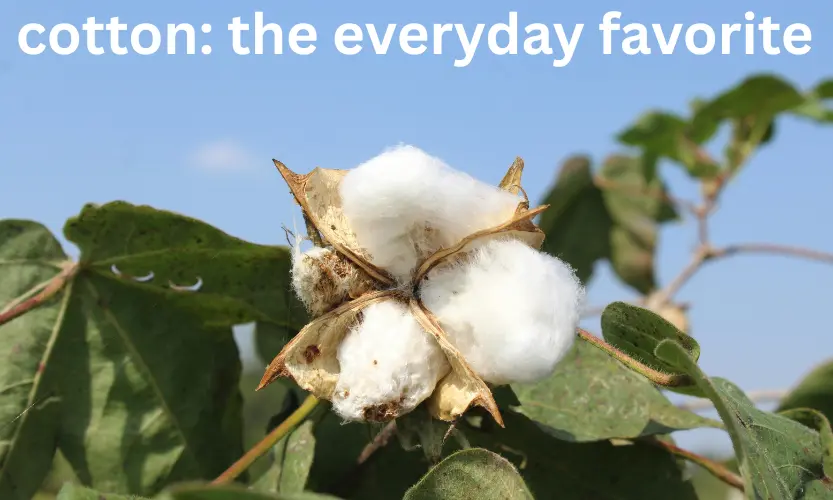
Cotton remains one of the world’s most popular clothing fabrics for good reason. It is soft, breathable, lightweight, and comfortable enough for daily wear.
Whether you’re wearing a casual T-shirt, jeans, pajamas, or summer dresses, cotton offers reliable comfort in almost every situation. It absorbs moisture well, helping your body stay cool during warm weather.
Another major advantage is its versatility. Cotton is available in different weights and textures, making it suitable for everything from lightweight shirts to thicker sweatshirts. However, pure cotton can wrinkle easily and may shrink if washed improperly. Following care instructions helps preserve its quality for years.
Linen: The Summer Champion
When temperatures rise, linen becomes one of the most comfortable fabrics available. Made from flax fibers, linen allows exceptional airflow while helping moisture evaporate quickly.
Its naturally textured appearance gives clothing a relaxed yet elegant look. That’s why linen shirts, trousers, and dresses remain popular during hot seasons.
Although linen wrinkles easily, many people actually appreciate its effortless appearance. Those natural creases have become part of its unique charm rather than a flaw. For anyone living in a warm climate, linen deserves a place in the wardrobe.
Wool: Natural Warmth and Durability
When winter arrives, wool becomes one of the best investments you can make.
Unlike many heavy fabrics, wool provides excellent insulation while remaining breathable. This unique combination keeps your body warm without causing excessive sweating.
Different varieties of wool offer different levels of softness. Merino wool, for example, feels much finer than traditional wool while maintaining impressive warmth. High-quality wool garments can last for many years when properly cared for, making them a worthwhile investment despite their higher initial cost.
Silk: Luxury That Never Goes Out of Style
Silk has been admired for centuries because of its smooth texture and elegant appearance.
Its lightweight feel makes it comfortable in both warm and cool temperatures. The fabric naturally regulates body temperature while creating a beautiful drape that enhances almost any outfit.
Silk is commonly used for dresses, scarves, ties, blouses, and formal wear because it adds sophistication without being overly heavy. The only downside is that silk requires delicate handling. Gentle washing or professional cleaning helps preserve its shine and softness.
Polyester: Strong, Practical, and Affordable
Polyester has evolved significantly over the years. Modern versions feel much softer than older generations while maintaining outstanding durability. One of polyester’s greatest strengths is its resistance to wrinkles. Busy professionals and travelers often appreciate clothing that looks neat without constant ironing.
It also dries quickly and resists shrinking, making it ideal for active lifestyles. Many manufacturers combine polyester with cotton to create garments that balance comfort, durability, and affordability.
Bamboo Fabric: Comfort with a Modern Feel
Bamboo fabric has gained popularity among shoppers looking for incredibly soft clothing. Its smooth texture feels gentle on sensitive skin while offering excellent breathability. Many people describe bamboo clothing as feeling cooler than traditional cotton.
Bamboo fabrics are commonly used for underwear, socks, sleepwear, and athletic clothing because they remain comfortable during extended wear. As production methods continue improving, bamboo fabrics are becoming an increasingly popular choice for everyday wardrobes.
Denim: Built to Last
Denim is more than just jeans. It represents durability, versatility, and timeless fashion. Quality denim becomes more comfortable over time as it adapts to your body. This unique characteristic explains why many people keep their favorite pair of jeans for years.
Today’s denim comes in various weights, colors, and stretch levels, making it suitable for jackets, skirts, shirts, and casual wear. Choosing premium denim may cost more initially, but its long lifespan often makes it a smarter purchase.
Choosing the Right Fabric for Every Season
Not every fabric performs well throughout the year. Seasonal changes affect comfort more than many people realize, and selecting materials that match the weather can make a noticeable difference in how your clothes feel throughout the day.
Best Fabrics for Summer
Hot weather calls for fabrics that are lightweight and breathable. Cotton and linen remain the top choices because they allow air to circulate while absorbing moisture. Bamboo fabric is another excellent option thanks to its soft texture and cooling feel.
Loose-fitting garments made from these materials help your body stay comfortable even during the hottest afternoons. Light-colored fabrics can also reflect sunlight and reduce heat absorption.
Best Fabrics for Winter
Cold temperatures require fabrics that trap warmth without becoming overly heavy. Wool is one of the best options because it provides natural insulation while remaining breathable.
Fleece and heavier cotton blends also perform well during winter. Layering different fabrics creates better insulation than relying on a single thick garment, allowing you to stay warm while adjusting easily to changing temperatures.
Best Fabrics for Spring and Autumn
During transitional seasons, flexibility is key. Medium-weight cotton, denim, lightweight wool, and blended fabrics offer enough warmth for cooler mornings while remaining comfortable as temperatures rise throughout the day.
These fabrics allow you to layer clothing without feeling bulky, making them practical for unpredictable weather.
Fabric Blends: Getting the Best of Both Worlds
Many modern garments combine two or more fibers to create fabrics with improved performance. Fabric blends often deliver advantages that pure materials cannot achieve on their own.
Cotton and polyester blends, for example, combine the softness of cotton with the durability and wrinkle resistance of polyester. This combination produces clothing that is comfortable, easy to care for, and long-lasting.
Similarly, wool blended with synthetic fibers can increase durability while maintaining warmth, and cotton blended with spandex adds flexibility that makes everyday clothing more comfortable.
Blended fabrics have become increasingly popular because they offer practical solutions for busy lifestyles while keeping maintenance simple.
Choosing Fabric Based on Clothing Type
Different garments have different purposes, so selecting the right fabric depends on how the clothing will be used.
Everyday Casual Wear
Comfort should always come first for daily outfits. Cotton, bamboo, and cotton blends provide softness and breathability, making them perfect for long hours of wear.
These fabrics are easy to maintain and suitable for everything from T-shirts to casual dresses and everyday trousers.
Office Clothing
Professional attire benefits from fabrics that resist wrinkles and maintain a polished appearance.
Wool blends, polyester blends, and quality cotton fabrics help clothing stay neat throughout the workday while remaining comfortable during long meetings or office hours.
Activewear
Exercise places unique demands on clothing. Fabrics need to move with the body while managing moisture effectively.
Polyester, nylon, and spandex blends excel in athletic clothing because they dry quickly, stretch comfortably, and maintain their shape even after repeated workouts.
Formal Wear
Special occasions deserve fabrics that create an elegant appearance. Silk, satin, velvet, and premium wool fabrics remain popular choices for formal events because they drape beautifully and offer a refined finish.
Choosing quality materials ensures formal clothing continues looking impressive for years.
How Fabric Affects Clothing Durability
The lifespan of clothing depends heavily on the quality of its fabric.
High-quality fibers resist stretching, fading, and pilling better than lower-quality alternatives. Strong stitching combined with durable fabric creates garments that withstand frequent washing without losing their appearance.
Although premium fabrics often cost more initially, they frequently provide better long-term value by lasting much longer than inexpensive materials. Investing in quality means replacing clothes less often, saving money over time while reducing unnecessary waste.
Comfort Starts with the Right Fabric
Everyone experiences fabric differently. Some people have sensitive skin that reacts to rough materials, while others prioritize flexibility or warmth.
Trying on clothing before purchasing helps you understand how the fabric feels against your skin. Softness, weight, stretch, and breathability all contribute to overall comfort.
The best-looking outfit won’t be enjoyable if the fabric feels uncomfortable after only a few hours. Comfort should always remain one of your top priorities when shopping.
Easy Fabric Care Tips
Even the finest fabrics require proper care to maintain their quality. Always read the care label before washing. Different materials respond differently to water temperature, detergents, and drying methods.
Separating dark and light colors prevents unwanted color transfer, while using gentle washing cycles helps preserve delicate fibers. Air drying whenever possible reduces wear caused by high heat.
Storing clothes correctly also extends their lifespan. Folding knitwear prevents stretching, while hanging structured garments helps maintain their shape. Small care habits can significantly increase the life of your favorite clothing.
Common Mistakes When Choosing Fabric
Many shoppers make decisions based only on appearance, overlooking factors that affect long-term satisfaction. One common mistake is ignoring the fabric label. Knowing the fiber content provides valuable insight into comfort, durability, and maintenance requirements.
Another mistake is choosing fabric without considering climate. Heavy materials may feel uncomfortable during summer, while lightweight fabrics may not provide enough warmth in winter.
Some buyers also assume expensive clothing automatically uses premium fabric. While price can indicate quality, checking the material remains essential before making a purchase.
You may also like these
Stunning Fashion week news Updates You Must See Today
Exclusive Designer fashion news Trends That Will Amaze You
Proven Secrets: How to Dress Well and Instantly Boost Confidence
Proven Casual style guide Secrets for an Effortless Look
Proven Smart casual style Secrets to Instantly Transform Your Look
How to Find the Best Fabric for Your Lifestyle
Every person’s wardrobe needs are different. Someone who works outdoors may prioritize durability, while an office worker may prefer wrinkle-resistant fabrics.
Parents often choose easy-care materials that withstand frequent washing. Travelers usually appreciate lightweight fabrics that pack easily and require minimal ironing.
Athletes need moisture-managing materials, while those living in colder regions benefit from warm insulating fabrics. Understanding your daily routine helps narrow your choices and ensures every purchase adds real value to your wardrobe.
Conclusion
Selecting the right material is one of the smartest decisions you can make when building a wardrobe. The perfect fabric improves comfort, enhances appearance, increases durability, and ensures your clothing performs well in every season. Whether you prefer breathable cotton, elegant silk, warm wool, practical polyester, or versatile fabric blends, understanding each material helps you shop with greater confidence and avoid costly mistakes.
Instead of focusing only on style or price, take a closer look at the fabric label before every purchase. Choosing wisely today leads to clothing that looks better, feels better, and lasts longer. By keeping comfort, climate, maintenance, and durability in mind, you’ll always be able to select the Best fabric for clothing that perfectly matches your lifestyle and personal preferences.
FAQs
What is the Best fabric for clothing for everyday wear?
Cotton, linen, and quality fabric blends are among the best choices because they offer comfort, breathability, and durability.
How do I choose the Best fabric for clothing?
Consider the weather, purpose, comfort level, maintenance needs, and durability before selecting a fabric.
Is natural fabric better than synthetic fabric?
Natural fabrics are generally more breathable, while synthetic fabrics often provide better wrinkle resistance and durability.
Which fabric lasts the longest?
Wool, denim, canvas, and high-quality polyester blends are known for their excellent durability.
Does fabric quality affect clothing comfort?
Yes. Higher-quality fabrics usually feel softer, breathe better, and maintain their appearance longer.