

When you invest in clothing, you’re investing in your confidence, comfort, and daily lifestyle. The right choices can save money, reduce waste, and help you build a wardrobe that serves you well for years instead of months.
Learning How to buy quality clothes is one of the smartest shopping skills you can develop. Whether you’re refreshing your wardrobe, shopping on a budget, or looking for pieces that stand the test of time, understanding what separates well-made garments from poor-quality ones can make every purchase worthwhile.
Why Buying Quality Clothes Is Worth It
Most people have experienced the disappointment of buying a shirt, pair of jeans, or jacket that looked perfect in the store but lost its shape after just a few washes. At first, it may seem like a bargain, but replacing inexpensive clothing repeatedly often costs more than purchasing durable pieces from the beginning.
Quality clothing provides long-term value. It retains its appearance, fits better over time, and feels more comfortable because it is usually made with superior materials and careful craftsmanship. Instead of filling your wardrobe with items you rarely wear, you create a collection of dependable essentials that you genuinely enjoy.
Another benefit is confidence. Clothes that fit properly and maintain their shape help you look polished in both casual and professional settings. You spend less time worrying about fading fabrics, loose seams, or worn-out collars and more time enjoying what you wear.
The True Value of Well-Made Clothing
It Saves Money Over Time
A common misconception is that quality clothing is always expensive. While premium garments often have higher price tags, they usually last much longer than cheaper alternatives.
Imagine purchasing a low-cost sweater every winter because the previous one stretched or pilled after one season. Over several years, those repeated purchases may cost more than buying one well-made sweater that remains in excellent condition.
Thinking in terms of cost per wear instead of purchase price helps you make smarter decisions. A jacket worn hundreds of times offers much better value than one that sits unused or wears out quickly.
Better Comfort Every Day
High-quality fabrics feel noticeably different. They breathe better, move naturally with your body, and remain comfortable throughout the day.
Poor-quality garments often become stiff, itchy, or misshapen after washing. Better-made clothing maintains its softness and structure, making it enjoyable to wear again and again.
A More Sustainable Choice
Buying fewer, better garments reduces unnecessary waste. Clothes that last longer require fewer replacements, meaning fewer textiles end up in landfills.
Building a thoughtful wardrobe also encourages mindful shopping. Instead of buying on impulse, you focus on timeless pieces that continue to serve you season after season.
Understanding Fabric Quality
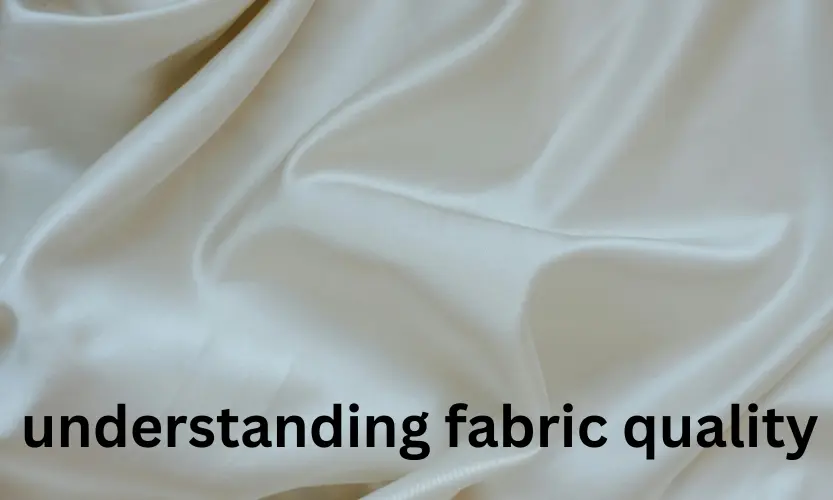
Fabric is the foundation of every garment. Even the most attractive design cannot compensate for poor materials.
Natural Fibers
Natural fabrics are often valued for their comfort and durability.
Cotton is breathable, versatile, and suitable for everyday wear. Higher-quality cotton generally feels smoother and maintains its shape better. Linen is lightweight and ideal for warm climates. Although it wrinkles easily, it becomes softer with every wash.
Wool offers excellent insulation while remaining breathable. Quality wool garments can last for decades when cared for properly. Silk provides a luxurious feel and elegant appearance, making it a popular choice for formal wear and delicate garments.
Synthetic Fibers
Synthetic fabrics are not necessarily poor quality. Many modern blends improve durability, flexibility, and wrinkle resistance.
Polyester, nylon, and elastane can enhance performance when blended with natural fibers. The key is balance. A thoughtfully designed fabric blend often combines comfort with strength.
Feel the Fabric
One of the simplest ways to judge quality is by touch.
A well-made fabric usually feels smooth, substantial, and consistent throughout the garment. Thin, rough, or uneven materials often indicate lower manufacturing standards. Don’t rely only on appearance. Two shirts may look identical on a hanger, but the difference becomes obvious when you feel the fabric in your hands.
Inspect the Stitching Carefully
Excellent stitching is one of the clearest signs of quality craftsmanship. Turn the garment inside out if possible. Look for clean, straight seams without loose threads or uneven stitching.
Signs of Strong Construction
- Tight, even stitches throughout the garment.
- Reinforced seams in high-stress areas.
- No hanging threads.
- Smooth finishing around collars, cuffs, and hems.
- Secure buttons and neatly attached zippers.
Well-finished garments reflect careful attention to detail, while rushed construction often leads to tearing after limited use.
Examine the Seams
Seams hold the entire garment together. Poor seams can separate even if the fabric itself remains intact.
Gently stretch the seam with your hands. If large gaps appear or stitching begins to separate, the garment may not withstand regular wear. Flat, neat seams indicate better construction and generally provide greater comfort because they reduce irritation against the skin.
Check Buttons and Zippers
Small details often reveal how much care went into producing the garment. Buttons should feel firmly attached without loose threads. Buttonholes should be neatly stitched and easy to fasten without excessive force.
Zippers should glide smoothly without catching on fabric. Metal zippers often last longer than lightweight plastic versions, especially on jackets and jeans. These components experience frequent use, making their quality especially important.
Pay Attention to the Fit
Even beautifully made clothing loses its appeal if the fit isn’t right.
A quality garment should complement your natural body shape without feeling restrictive. The shoulders should sit correctly, sleeves should fall naturally, and the overall silhouette should allow comfortable movement. Avoid purchasing clothing simply because it’s fashionable if it doesn’t fit properly. Timeless style always begins with excellent fit.
Move Around Before Buying
Whenever possible, walk, sit, bend, and raise your arms while trying on clothes.
This simple test reveals whether the garment remains comfortable during everyday activities. If something feels uncomfortable in the fitting room, it will likely feel worse after hours of wear.
Read the Care Label
Many shoppers overlook care labels, but they provide valuable information. The label tells you what materials were used and how the garment should be maintained.
Some clothing requires professional cleaning or delicate handling, while others can be machine washed without difficulty. Understanding maintenance requirements helps you decide whether the garment fits your lifestyle. A beautiful piece that demands constant special care may not be practical for everyday use.
Recognize Signs of Durable Clothing
Quality garments usually share several characteristics. They maintain consistent stitching, use strong fabric, include carefully finished edges, and feature reliable fasteners.
Patterns line up correctly across seams, hems are even, and the overall garment feels balanced in your hands.
These details may seem small individually, but together they indicate thoughtful manufacturing and lasting durability. Shopping becomes much easier once you begin noticing these characteristics. Instead of focusing only on color or trends, you learn to evaluate the craftsmanship behind every piece, helping you make purchases you’ll appreciate for years.
Shop with a Plan Instead of on Impulse
Walking into a store without a plan often leads to unnecessary purchases. Attractive displays and seasonal discounts can make almost anything seem like a good deal, but the excitement usually fades once you realize the item doesn’t match the rest of your wardrobe.
Before shopping, take a few minutes to assess what you actually need. Maybe your everyday jeans have worn out, your work shirts need replacing, or you’re looking for a versatile jacket that works in different seasons. Having a clear purpose helps you stay focused and spend your money wisely.
Creating a simple shopping list also prevents duplicate purchases. Many people already own several similar items without realizing it. Buying only what fills a genuine gap keeps your wardrobe practical and organized.
Compare Brands Instead of Buying the First Option
Not every well-known brand guarantees exceptional quality, and not every affordable label produces poor clothing. The key is learning how to compare garments rather than relying solely on a brand name.
Look Beyond the Logo
A recognizable logo may attract attention, but quality lies in the details. Compare the fabric weight, stitching, buttons, zippers, and overall construction before making a decision.
Sometimes two shirts look nearly identical, yet one is made with stronger seams and higher-quality cotton. Those small differences become noticeable after months of regular wear.
Consistency Matters
Brands that maintain consistent quality across their collections are often worth returning to. Once you discover a company that produces durable clothing with reliable sizing, future shopping becomes much easier.
However, continue checking each garment individually. Even trusted brands occasionally introduce products that don’t meet the same standards.
Learn to Recognize Good Value
Many shoppers confuse low prices with savings. In reality, value comes from how long an item remains useful.
For example, paying a little more for a coat that lasts ten winters is usually a better investment than replacing a cheaper one every couple of years. The same principle applies to shoes, jeans, sweaters, and everyday essentials.
Ask yourself a few simple questions before buying:
- Will I wear this regularly?
- Does it match several outfits I already own?
- Does it feel durable?
- Will it still look good next year?
If the answer to most of these questions is yes, you’re likely making a smart purchase.
Don’t Ignore the Small Details
Experienced shoppers know that quality often reveals itself through details that many people overlook. Check whether patterns line up correctly across seams. Uneven patterns can indicate rushed manufacturing.
Look at the inside of the garment. A clean interior usually reflects careful craftsmanship.
Feel the weight of the fabric. While heavier doesn’t always mean better, extremely thin material can sometimes wear out faster. Even pockets deserve attention. Well-constructed pockets remain secure after repeated use, while poorly sewn ones can tear surprisingly quickly.
Common Mistakes to Avoid
Even careful shoppers occasionally make mistakes. Being aware of these common pitfalls can help you avoid disappointment.
Buying Only Because It’s Cheap
A clearance sale can be tempting, but purchasing clothing you don’t truly need often wastes money rather than saving it. Instead of focusing on discounts alone, consider whether the garment offers lasting value.
Ignoring Fit
Some shoppers buy clothing that’s too tight or too loose, hoping it will somehow work later.
A proper fit should feel comfortable from the beginning. Minor tailoring is sometimes worthwhile for quality garments, but don’t rely on major alterations to fix poor sizing.
Following Every Trend
Fashion trends change quickly. While experimenting with new styles can be enjoyable, building your wardrobe around timeless essentials creates far greater long-term value.
Classic shirts, quality denim, tailored trousers, neutral jackets, and versatile footwear remain stylish year after year.
Forgetting Maintenance Costs
Some garments require dry cleaning or delicate washing. Before purchasing, consider whether you’re willing to invest the time and effort needed to maintain them.
A practical wardrobe should suit both your style and your daily routine.
Build a Wardrobe That Lasts
Buying quality clothes isn’t about owning hundreds of garments. It’s about selecting pieces that work well together.
Start with wardrobe essentials that you can mix and match easily. Neutral colors such as black, navy, grey, white, and beige pair with almost everything, allowing you to create numerous outfits from fewer items.
Gradually add seasonal pieces, accessories, and statement items instead of replacing your entire wardrobe at once. This approach saves money while creating a collection that’s both functional and stylish.
Care for Your Clothes Properly
Even the highest-quality clothing won’t last if it’s neglected. Always follow the care instructions on the label. Washing garments at the recommended temperature helps preserve both fabric and color.
Avoid overloading the washing machine, as excessive friction causes unnecessary wear.
Hang delicate garments carefully, fold knitwear to prevent stretching, and store seasonal clothing in clean, dry spaces. Repair small issues, such as loose buttons or minor tears, before they become larger problems. A simple repair today can extend the life of a favorite garment by several years.
Invest in Timeless Pieces
Certain wardrobe staples rarely go out of style.
A well-fitted blazer, durable jeans, crisp white shirt, classic coat, comfortable knit sweater, and quality leather shoes remain useful across changing fashion trends.
When you invest in timeless clothing, getting dressed becomes easier because your wardrobe naturally works together. These dependable pieces also reduce unnecessary shopping, allowing you to spend money more thoughtfully.
You may also like these
Stunning Fashion week news Updates You Must See Today
Exclusive Designer fashion news Trends That Will Amaze You
Proven Secrets: How to Dress Well and Instantly Boost Confidence
Proven Casual style guide Secrets for an Effortless Look
Proven Smart casual style Secrets to Instantly Transform Your Look
Confidence Comes from Smart Choices
Quality clothing isn’t about impressing other people. It’s about feeling comfortable, prepared, and confident every day.
When your clothes fit well, maintain their appearance, and withstand regular wear, you spend less time worrying about replacing them and more time focusing on what truly matters.
Over time, you’ll notice that shopping becomes less stressful because you’ve developed the ability to recognize quality immediately. Instead of guessing, you’ll make informed decisions that benefit both your wardrobe and your budget.
Conclusion
Shopping wisely isn’t about filling your wardrobe with the most expensive brands or chasing every new trend. It’s about understanding what makes a garment durable, comfortable, and worth your investment. By paying attention to fabric quality, stitching, fit, construction, and proper care, you can build a wardrobe that serves you well for years while helping you avoid unnecessary spending.
Every thoughtful purchase adds value to your closet and makes getting dressed easier each day. With patience and a careful eye, mastering How to buy quality clothes becomes a valuable skill that saves money, supports smarter shopping habits, and ensures every piece you own earns its place in your wardrobe.
FAQs
How can I tell if clothes are high quality?
Look for strong stitching, durable fabric, reinforced seams, quality zippers or buttons, and a comfortable fit. Reading the care label can also reveal a lot about garment quality.
Which fabrics are best for quality clothing?
Natural fabrics like cotton, linen, wool, and silk are often more durable and breathable. High-quality blends can also provide excellent comfort and longevity.
Is expensive clothing always better quality?
No. While some premium brands offer superior craftsmanship, many affordable brands also produce high-quality clothing. Always evaluate the materials and construction rather than the price alone.
How do I make quality clothes last longer?
Wash garments according to the care label, avoid excessive heat when drying, store them properly, and repair minor damage before it becomes worse.
What should I check before buying clothes?
Inspect the fabric, stitching, seams, buttons, zippers, fit, and care instructions. These details help determine whether a garment is worth buying.